Examples of effective uses of AI continue to grow across the health system but many NHS Trusts are still in their infancy in terms of AI adoption. It’s not always easy to know where or how to start on your automation journey– or indeed, how to go about sourcing and purchasing the right AI digital solution to start with.
Guidance produced by NHS England in 2020 (‘ A buyer’s guide to AI in health and care’- Joshi & Cushnan, Sept 2020) remains relevant and very useful. One of the key questions asked is:
Will the product work in practice?
The key issue here is if the performance claims made in theory will translate to practical benefits for your organisation. Here are things to look out for:
Tangible benefits: Suppliers should be asked to describe how they ensure their Intelligent Automation solution provides tangible benefits and what processes they operate to ensure benefits are realised.
Use of example questions: Providing a realistic example of a process (process, steps, volumes, current problems, etc) and ask suppliers to assess the Automation opportunity and to produce an ROI calculation based on the example.
Using the ‘market engagement’ phase: Understand whether suppliers prioritise benefits realisation- through presentations and Q&A
EBO can help by:
1. Describing its benefits realisation process & how this is embedded in its implementation model
2. Providing detailed Return on Investment (ROI) methodologies for relevant use cases
3. Providing real-world evidence of benefits realised on similar projects elsewhere in the NHS
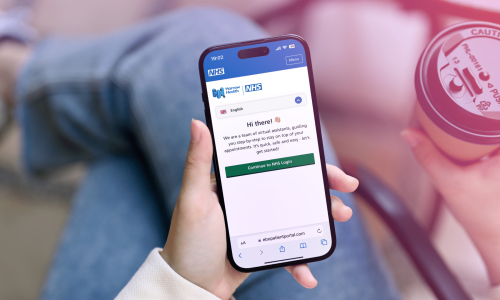
Click here to find out how EBO uses AI in patient communications to help patients effectively access and navigate their pathways.

Author: Paul Boland, Healthcare Director, EBO